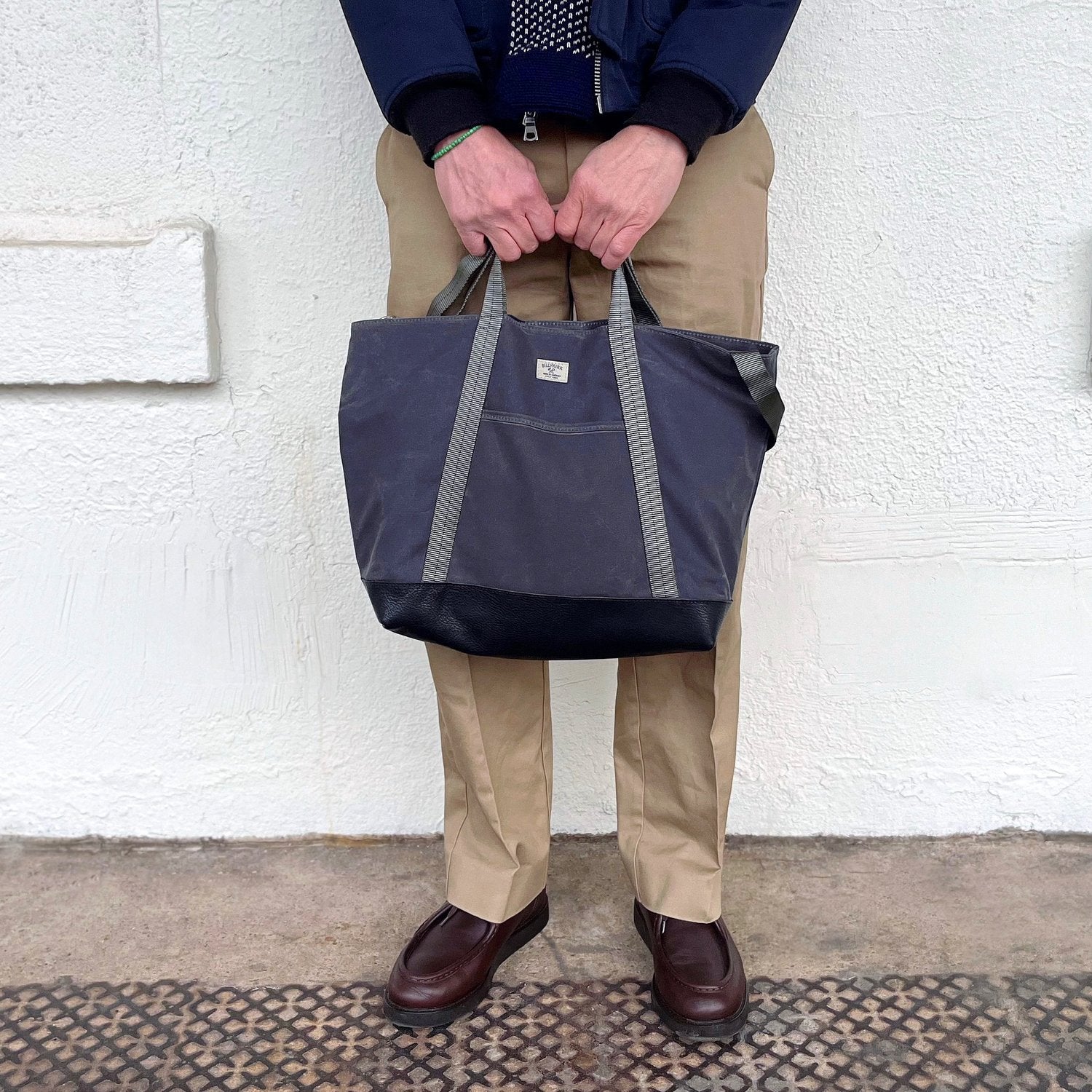
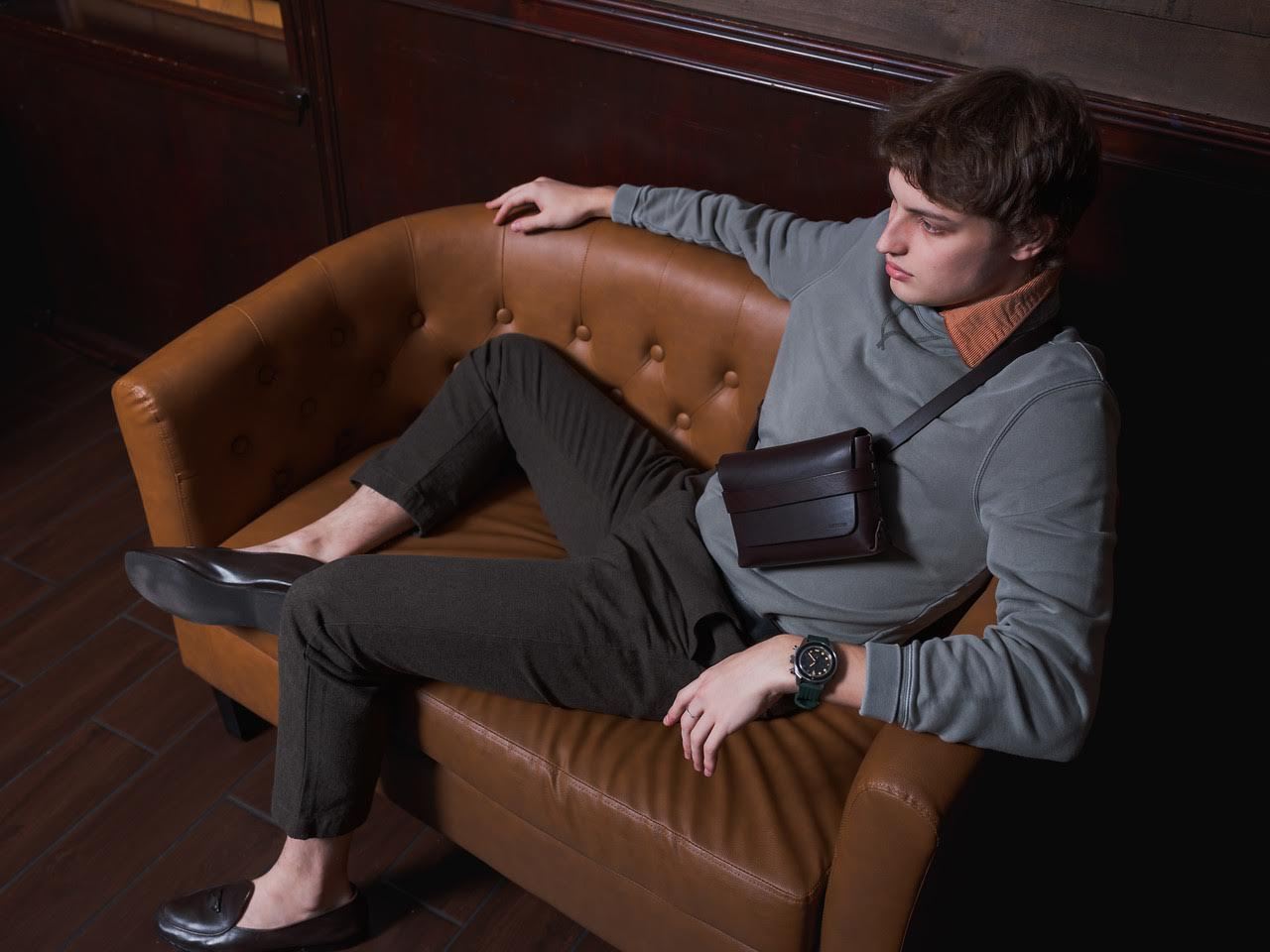
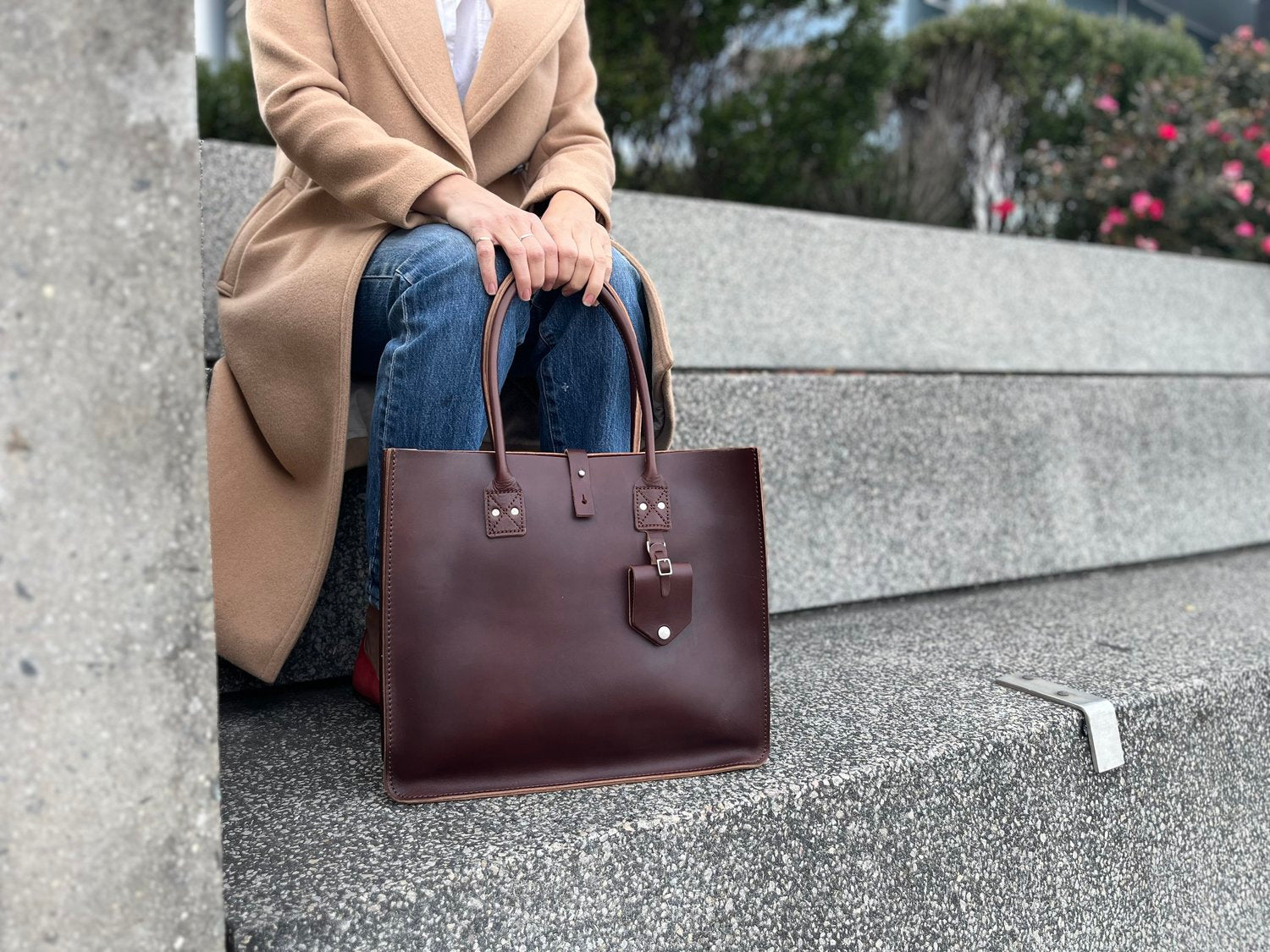
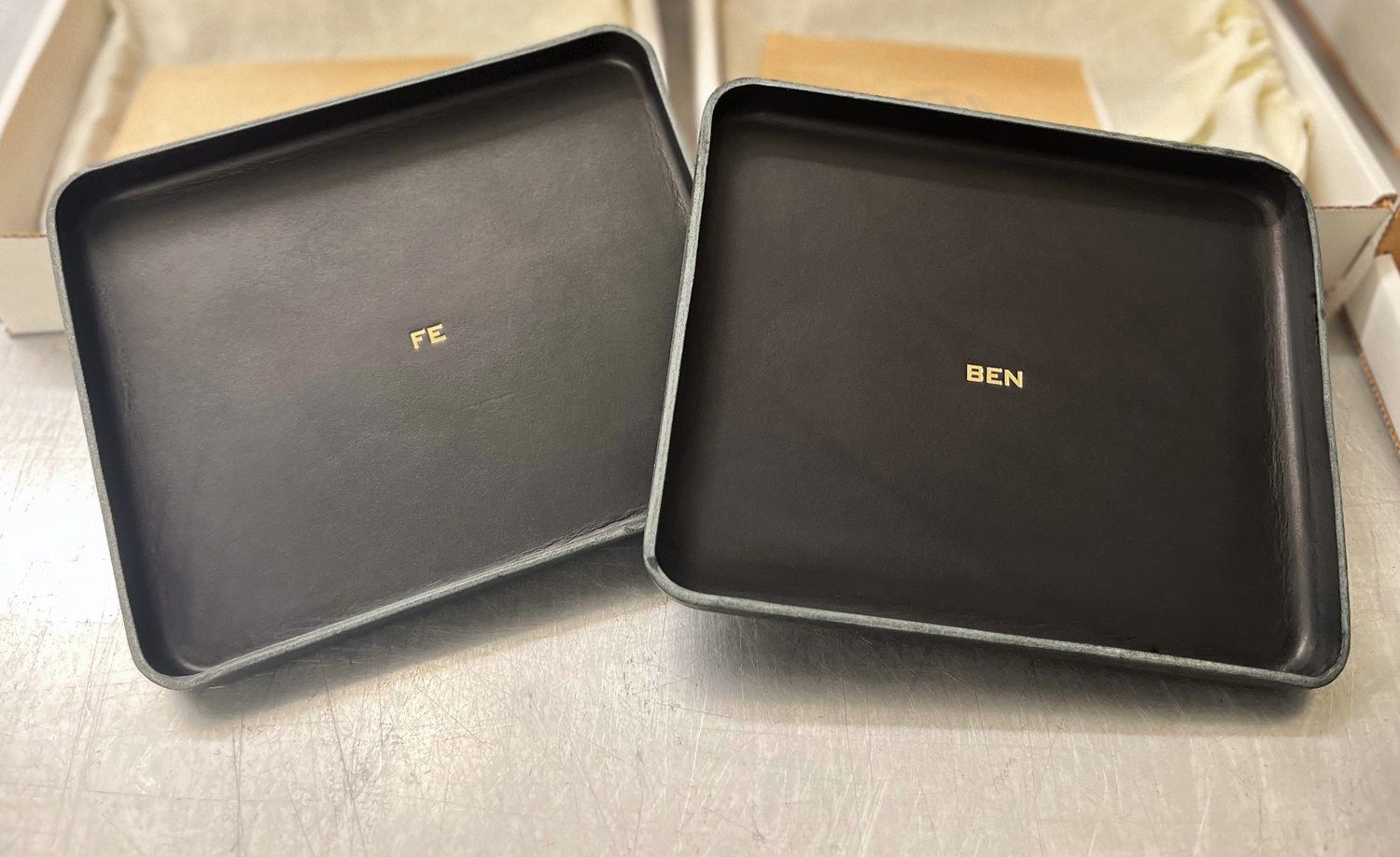
The following is an interview we recently did for Flash Film:
When did you start? Could you tell us the brand concept?
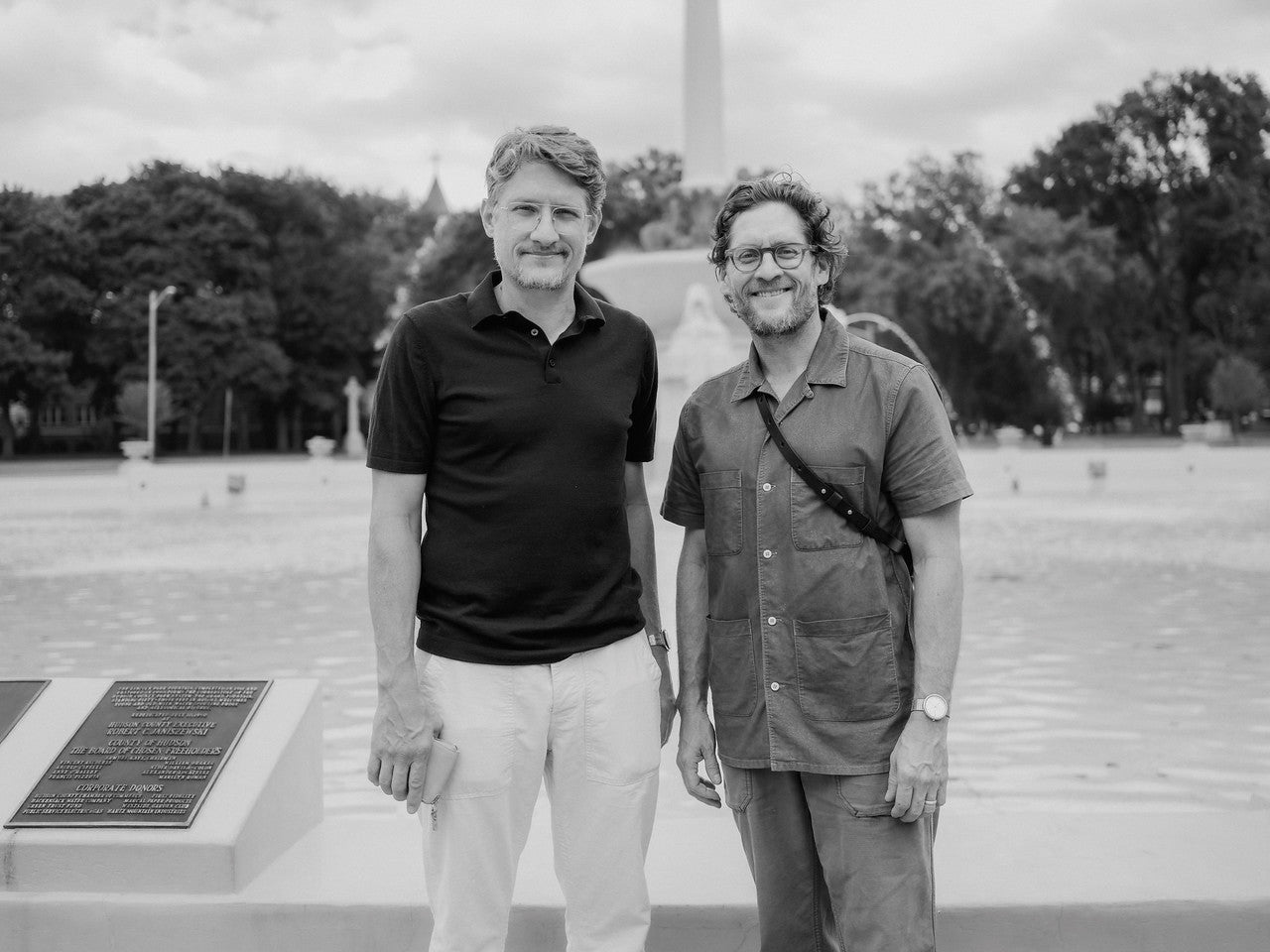
Chris - We
formed the company in 1999. We always knew we would own a company
together and it would be called, “Billykirk.” What that was going to
encompass just hadn’t surfaced. In fact, in the mid 90’s I made some
“Billykirk Designs” business cards for Kirk who was graduating from
college with a clothing design degree.
Kirk - Our
brand name came from our father who often calls me “Billykirk” because
my full name is William Kirkland. This is also probably due to our
Southern roots and the melding of the first and middle names.
Chris - The
concept was always brewing. Kirk was signing his paintings
“Billykirk” at one point and I had been designing furniture and house
ware items under that name. Kirk had recently graduated from design
school so it was just a matter of time before we realized what
Billykirk was going to be. It finally surfaced shortly after we moved
to Los Angeles from Minnesota in 1996.
Kirk - We
both frequent thrift stores and antique shops and one day we stumbled
into a pawn shop in Los Angeles and walked out with a nicely worn, wide
1970’s watch strap. Somewhat surprisingly, I got a lot of compliments
and inquiries while wearing it at a coffee shop I worked at. That’s
when the light bulb went on. I remember the day I went to my brother’s
office and I said, “Let’s make these.” He picked up the yellow pages
and within a day or so we were buying leather and learning the trade.
Chris
- I
think we were ahead of the trend on the resurgence of the wide watch
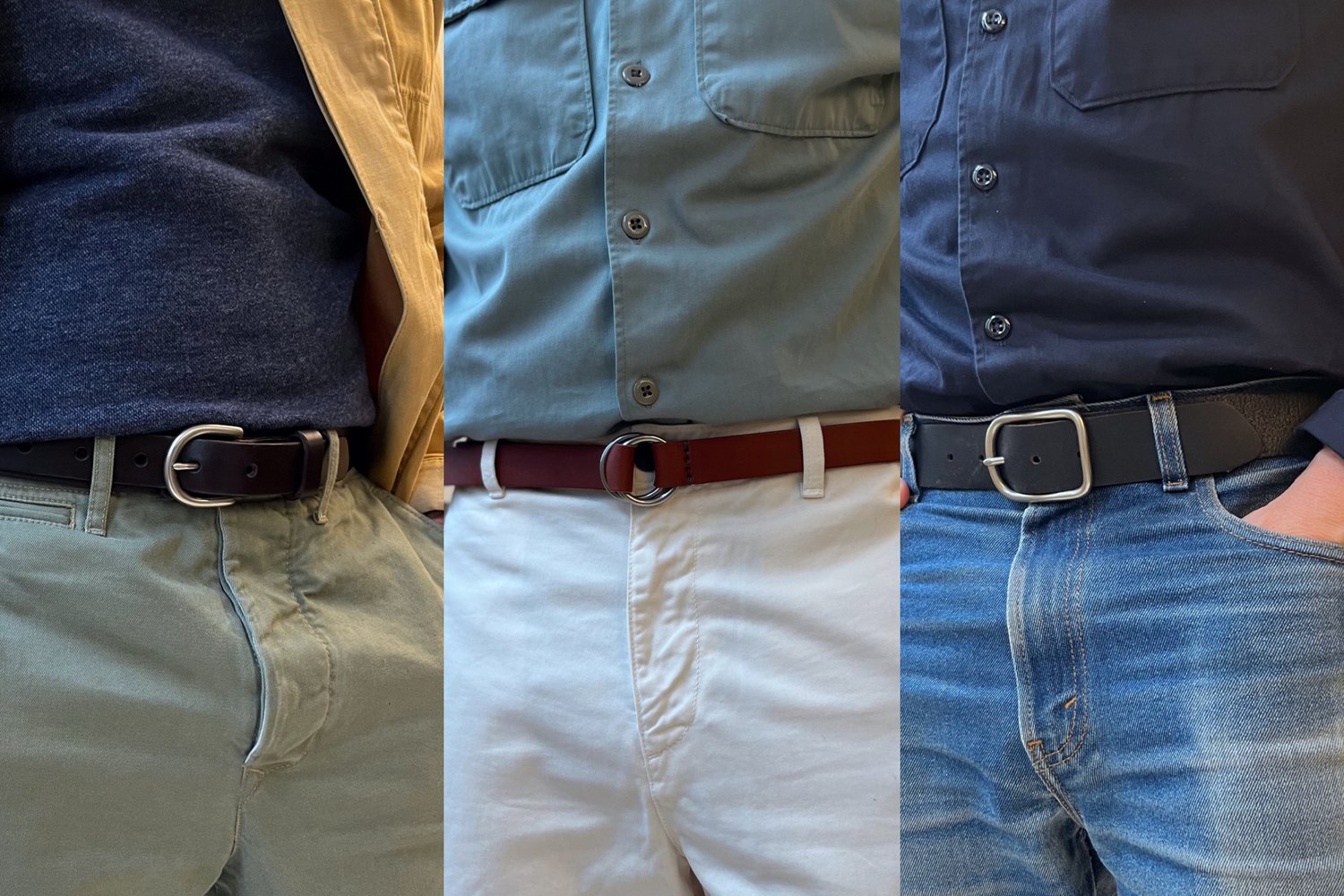
straps. Soon after our first collection hit the shelves in 1999 everyone from Guess to Gucci was making them again. The line has expanded into
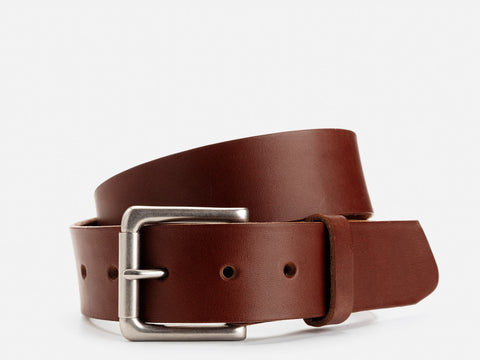
belts, wallets, satchels, travel bags and house wares.
Chris
- When
developing the concept of our brand we knew, first and foremost, that
our collection had to have a clear mission. Our thinking was that no
matter what we designed it would have to be cohesive and flow nicely
from one style to the next. In my opinion, this was one of the
smartest conceptual ideas we had in the beginning and one that guides
us in all of our designs. We also decided early on that our brand
would only use top quality leather and hardware. It was paramount that
we started with a decent product that we felt proud to make and wear. We knew
that if you started with a cheaply made item and then wanted to change
into a higher-end item you would most surely fail.
Kirk
– When
we were beginning our initial designs and concepts we wanted to keep
the designs simple and let the organic qualities of the leather speak
for it self. Leather is always changing and that in itself is very
appealing to us. There are so many companies out there that add all
sorts of unnecessary embellishments that they end up looking the same.
We knew from the get-go that we would never fall into that trap. We
have never been a company that follows fads; instead we just try and
design stuff we like. So far we have been fairly successful in reading
the market.
Chris –
I think a company that can churn out
quality made products and stay true to their aesthetic over the years
will remain respected in the industry. We hope the buyer can feel a
since of security with our brand. There are a lot of brands like this –
Coach, Pendleton, Tod’s, Filson, Gokey, Patagonia, etc. You just know you will get a
quality, well designed item from them time after time. We hope we have
that type of market respect one of these days.
How did you learn to create hand crafted leather accessories?
Kirk - We
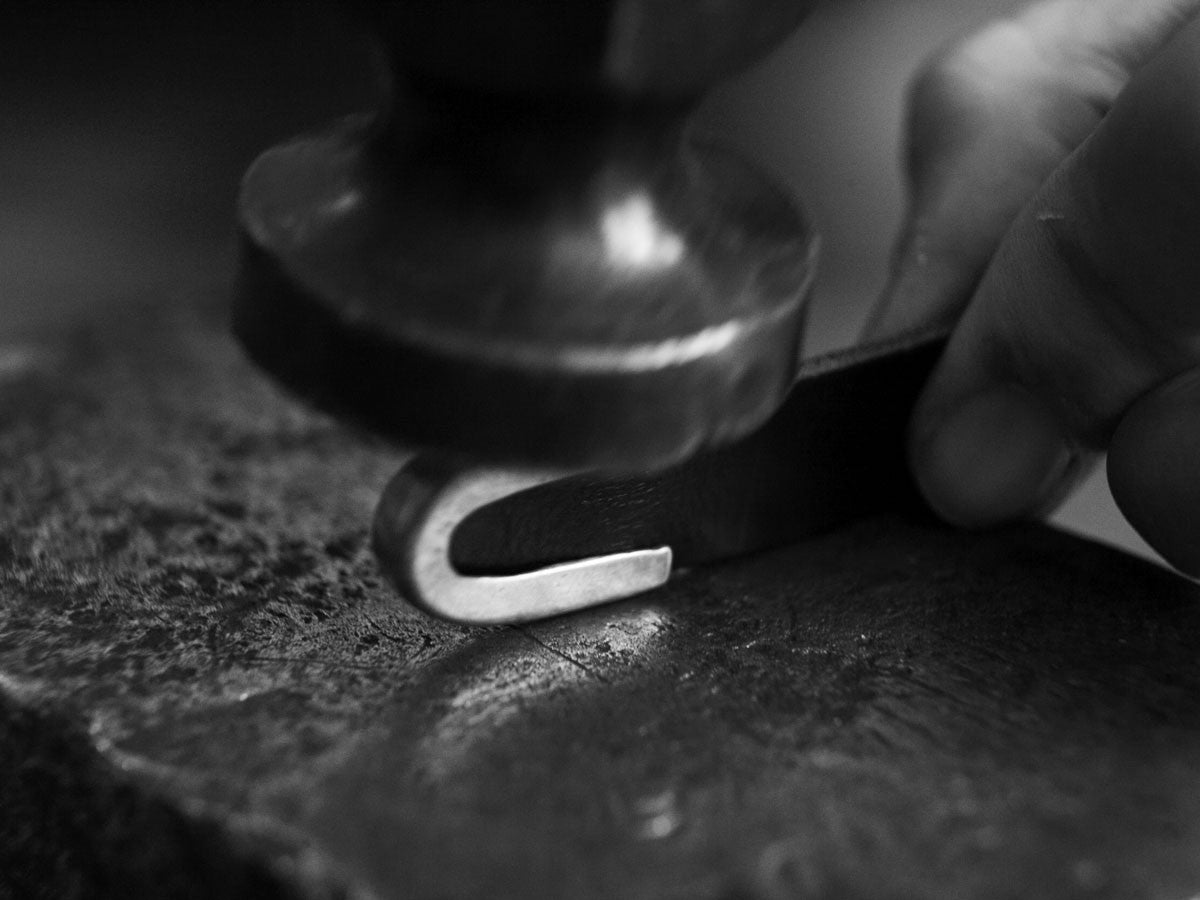
worked under a 3rd generation leather maker in Los Angeles for 3
years. We eventually bought some of his antique machinery and opened
our own studio a couple of miles away.
Chris – It
was like going back to the early 1900’s. Our mentor was very
understanding and a great teacher. He literally showed us how to put a
rivet on a belt. We had this incredible space to go to each day for
free! We were surrounded by all of his grandfather's tools and machines
and had nothing stopping us for exploring and creating. We owe him a
lot.
Kirk -
Now that we have relocated to the East
Coast, much of our collection is made by a group of Amish leather workers in Pennsylvania. It has, no doubt, been one of the most interesting
business relationships of our career.
Chris - Working
with these Amish leather workers for a week will really open your
eyes. They are not distracted by anything the world's marketing machine
is currently pumping out. They have no idea who the Rolling Stones are
or that we are at war. It is essentially the 1870's, aside from the
hum of a large Honda generator looking out of place in one of the
corners. They are allowed to use gas since it is from the earth.
Kirk – We
bring the kids gum and they will literally chew the same piece all
day. I asked one of the boys what his favorite flavor was. Taking it out of his mouth and pointing to it he said, “The brown kind.”
Kirk -
We still do all of the finishing work in house, as well as collaboration and custom work.
What kind of leathers do you use for your pieces?
Kirk-Most of the
leather we use is domestic or Italian in origin and is vegetable dyed
in the tradition of the old West. It is ideal for our designs because
of its durability and how it changes and ages over time. Vegetable dying is also better for the environment than chrome dying. We will soon offer a collection of eco-friendly, 'green' leathers as well.
Chris-Our leather
is also hand treated with natural oils and beeswax so that over time the
patina that the leather achieves is beautiful. Working with leather reminds
me of my youth and learning how to "season" my winter boots and
baseball glove. We would also get all sorts of old leather things from
our uncle from old knives with leather sheaths to his old Vietnam
boots. We both have always liked leather and its many uses. What do you emphasize most in your work? What do you think is important for the ideal product?
Kirk-I
think we emphasize the understated, again, keeping the designs simple
and fresh. We have never been ones to add garish or tacky details.
Our particular aesthetic does not necessarily want to be the focus of
attention, but instead blend into the wearer's everyday clothing choice.
Chris-What you see
it what you get. We are not reinventing the wheel; we are just
designing with a more minimal, modern approach with an emphasis on hand
stitching. We both appreciate attention to detail and working with our
hands. If you really study everything that went into making a leather
ammo pouch or map case from WWII, for example, you would be stunned.
The crazy thing is that these were mass-produced for thousands of
soldiers.
Kirk–To recreate that item today would be nearly impossible and cost hundreds of dollars.
What would you say are some of the favorite pieces that you designed over the years?
Kirk-There are a
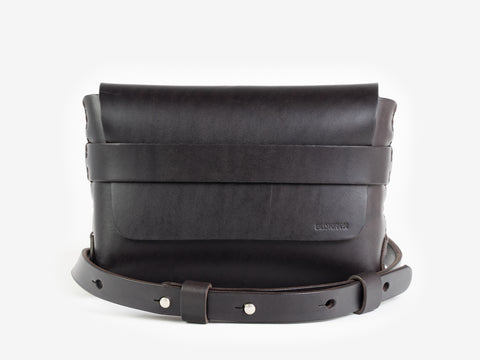
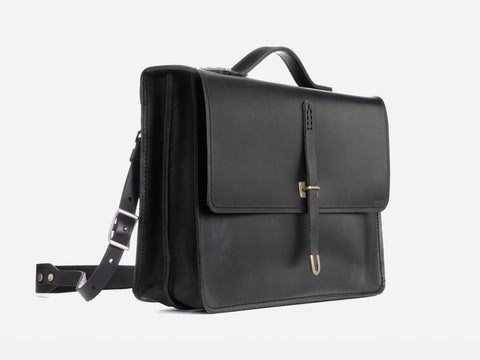
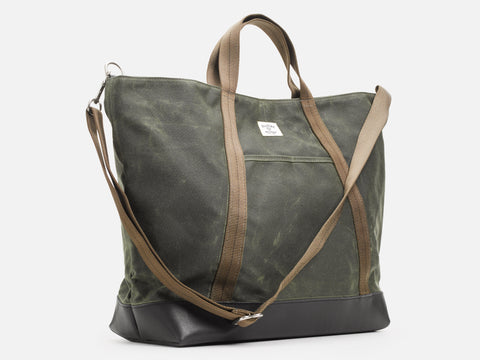
lot. We both feel our shoulder satchel bag, inspired after a WWII
Belgian map case, is a favorite as well as our selection of hand
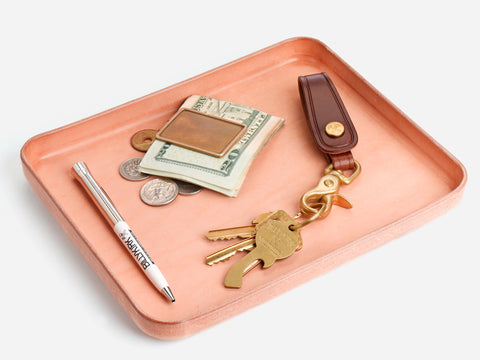
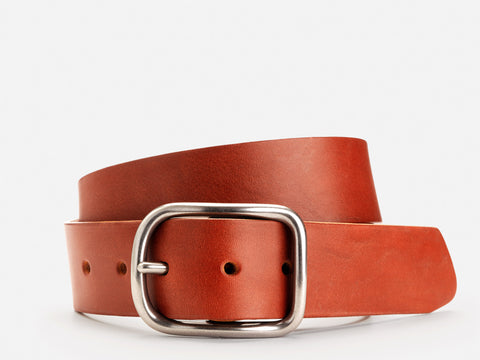
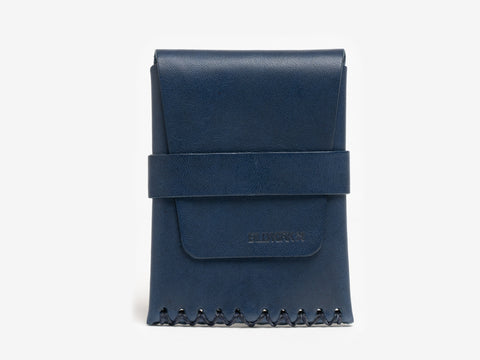
stitched card cases. We are also proud of our custom hand carved belt
buckles and I.D. plates.
Chris- We try to
source vintage hardware and materials and buy them in large quantities whenever possible. For example we have
hundreds of used Korean War snap-hooks that are of the best quality and
add a great deal to the item. Currently which stores carry Billykirk in US and Japan?
US -Takashimiya, Hollander
and Lexer, Barney's, Camouflage, Oak, Odin, Unis, Fred Segal, Ron Herman, American Rag,
Base, Aloha Rag, Rolo, Blackbird, Carve, Map.....Canada - Brooklyn,
TNT, Sydney's, Gravity Pope....
Japan -Barney’s, Beams,
Ships, Margin, Sazaby League, Akiz, Baggagehandlers Union, Decade,
Glow, Hips Company, Rags, Monju, Rato, Wolves Could you tell us the prices of your accessories?
Kirk-Retail prices range from $65 for small leather accessories to $550 for our leather weekend bags.
Could you tell us the project that you are working on right now?
Chris-We just finished designing for Spring 2008 and are close to re-launching our website.
Kirk–We are in the
process of finishing our studio. It’s important to feel inspired where
you work. We just came across some reclaimed 150 year old white pine
that we are turning into shelving and tables. And I finally have my
painting studio in order again...
What are your long term goals as an artist?
Chris-To create
original leather goods that stand the test of time both in design and
functionality. I have no doubt that I will still appreciate these
designs 20-30 years from now. We have also had some great experiences
collaborating with various companies like Levis, Vans Vault,
Hollander & Lexer, Earnest Sewn, Lutz & Patmos, Henry Duarte, Unis, Zune,
Noah, etc. I would like to continue doing more of these collaborations.
Kirk-We
also have goals of expanding the brand name into other markets and
opening a flagship store one day. Find more time to paint and showing
my work in more galleries.
Any last words?
"You can't fake quality anymore than you can fake a good meal."
-William S. Burroughs